
An Imagination Infrastructure
or: I went to the Mobile World Congress in Barcelona and all you get is this newsletter.

In the spaces I frequent, there's a lot of talk about the power of imagination. In Emergent Strategy, Adrienne Maree Brown says, "We are in an imagination battle." Ruha Benjamin states in a lecture that, "Imagination is a contested field of action, not an ephemeral afterthought that we have the luxury to dismiss or romanticize."1 Over at Lux, Rithika Ramamurthy steps back into diagnosis, writing that, "The further casualization of intellectual work.... endangers our ability to critique current social organization. Without it, how can we imagine an alternative?"
I don't even have to look much further, because I'm a regular preacher on the imagination pulpit myself. For over a year, powerhouse artist-organizer Diana Nucera and I have been building our own organization for creating tech education materials and workshops. Our entire mission lies in helping folks understand how current sociotechnical systems work precisely so they can be better-equipped to imagine different ones.
But in more mainstream spaces, I think it's tempting to dismiss imagination as powerful (insert Spongebob imagination meme). The word comes off as cuddly and non-threatening, the verbal equivalent of a crayon drawing on the fridge. Below are some sample stock photos returned when you search for the word “imagination.” See what I mean about cuddly and nonthreatening?


Maybe the air of triviality stems from the misconception that the act of imagining only involves idly dreaming up ideas that have no connection to reality. Those of us who insist on the power of imagination don't separate it from the everyday practice of doing the damn work and actually living out different models for work, collaboration, existence in general. It's not enough to just come up with a different approach in your head. You've got to jump into the challenging task of doing it with others, over and over again, working through the difficulties that come up along the way.
There are things that make that process easier, though. At the beginning of this month, I attended the Mobile World Congress (MWC) in Barcelona. It was a reminder that what allows the fruits of imagination to grow are well-developed roots, infrastructures of support and maintenance. MWC was a testament to the VC-funded tech startup world’s well-honed ability for creating such systems of support.
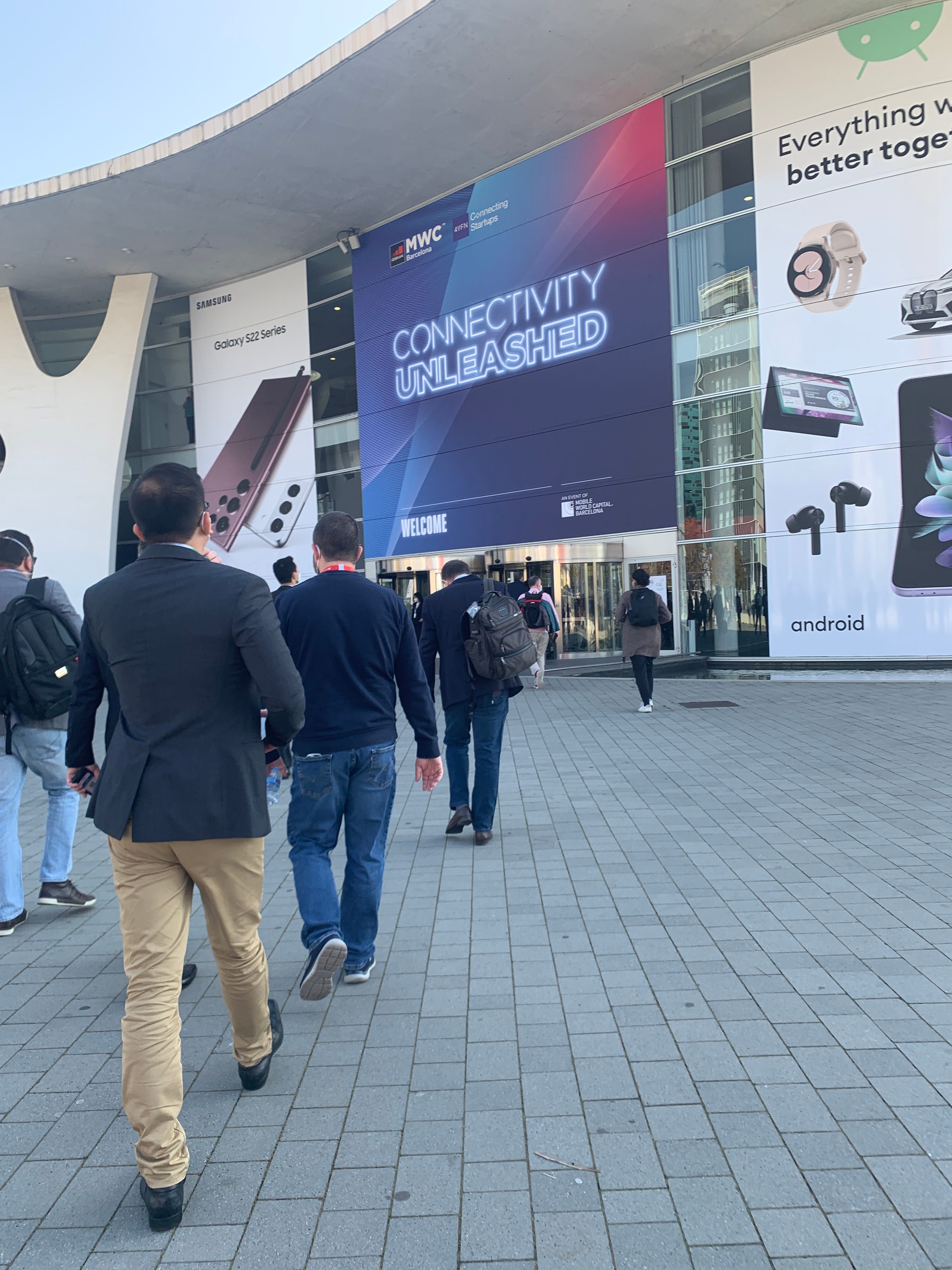
Quick background: MWC is one of the largest trade shows in the world for the mobile communications industry. Like all trade shows, it's a corporate version of a mass exhibition. At MWC, all of the biggest tech providers, device manufacturers, and global mobile operators spend four days and thousands of dollars showing their latest products and services off to one another and the 100,000 attendees who show up to gape at what the next hot thing is.
I was invited to MWC this year to give what turned out to be a hilariously ill-received talk, but I spent most of my time wandering around the huge halls, soaking in the visions of the future on display before me. I strolled past countless banners extolling the promises of 5G (even 6G!) connectivity, the frequent eerie drunk-marionette-puppet body movements of VR-headset clad attendees, crowds awaiting weak pours from robot bartenders, and Boston Dynamics robotic quadripeds bounding straight out of uncanny valley.2 The event was a celebration of the impressively as well as confusingly possible.
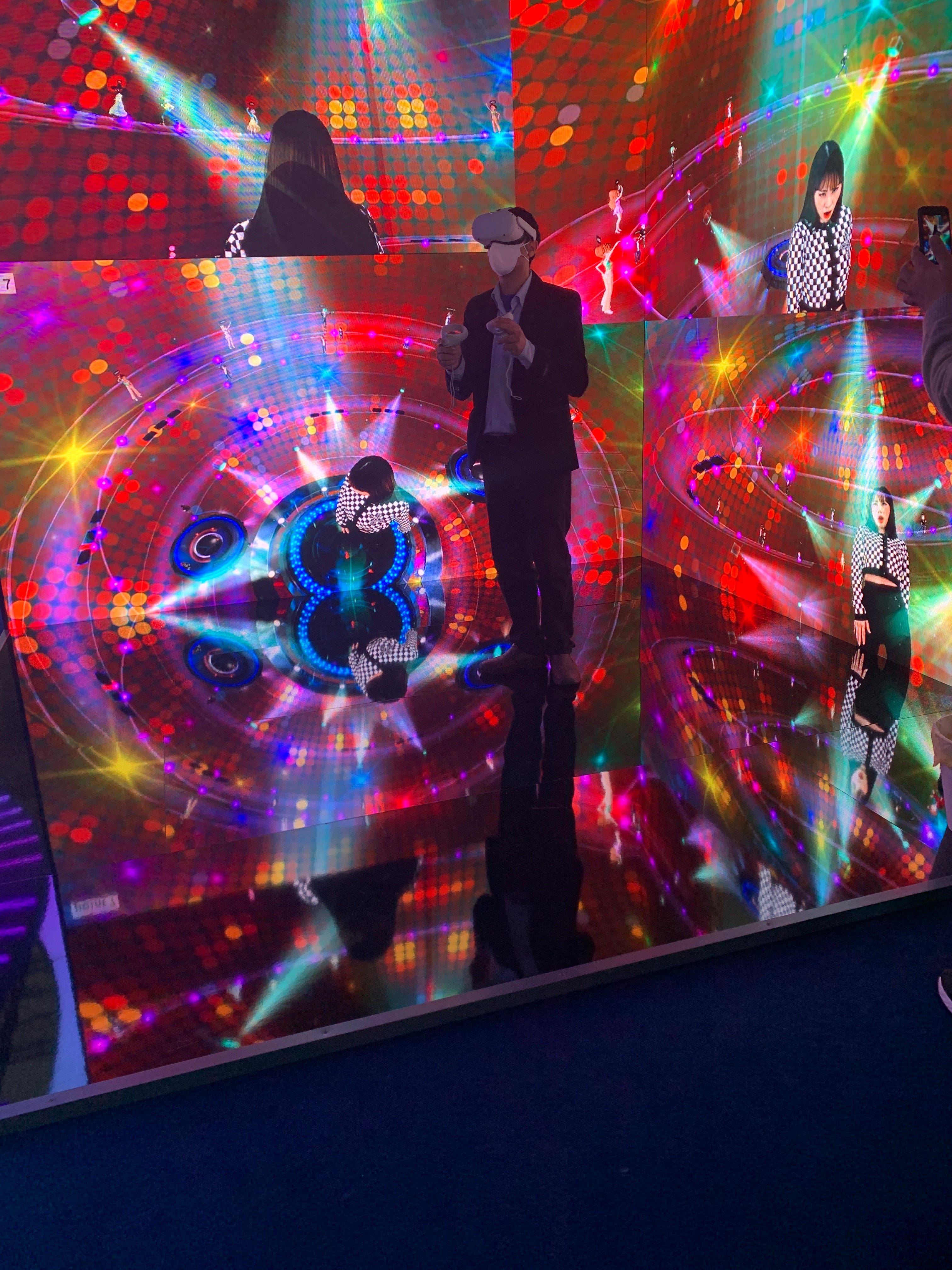
MWC is all about imagination. For all the smart devices, electric cars, and mobile apps on display, there were no products being sold at MWC. What was on sale were ideas, ideas about the future and what it could look like, all made possible by a strong structural framework. The VC model—that well-tuned machinery for pumping billions of dollars into tech founders’ visions on the off chance that said vision could be wildly profitable—is one part of that framework. Governmental support (which until fairly recently, as historian Margaret O’Mara showed compellingly in her book Code, has always been a part of the US tech sector) is another.
But the final pieces are the community, that rolling gravitational draw that comes from being in a group of people who all think in similar patterns and value similar goals. This I know because of my weird inside/outside position to the tech world. Being an artist/technologist at MWC reminded me of making phone calls on my early 2000s Nokia phone: I could hear everyone but no one could hear me. Surrounded by throngs of people lined up to try a Disney ride masquerading as a take on the future of urban mobility, I felt like a buzzkill for genuinely asking, "But why does this exist?" Sure, you can spend thousands of dollars to outfit one fishing ship with sensors and track it from outer space by satellite, but why?
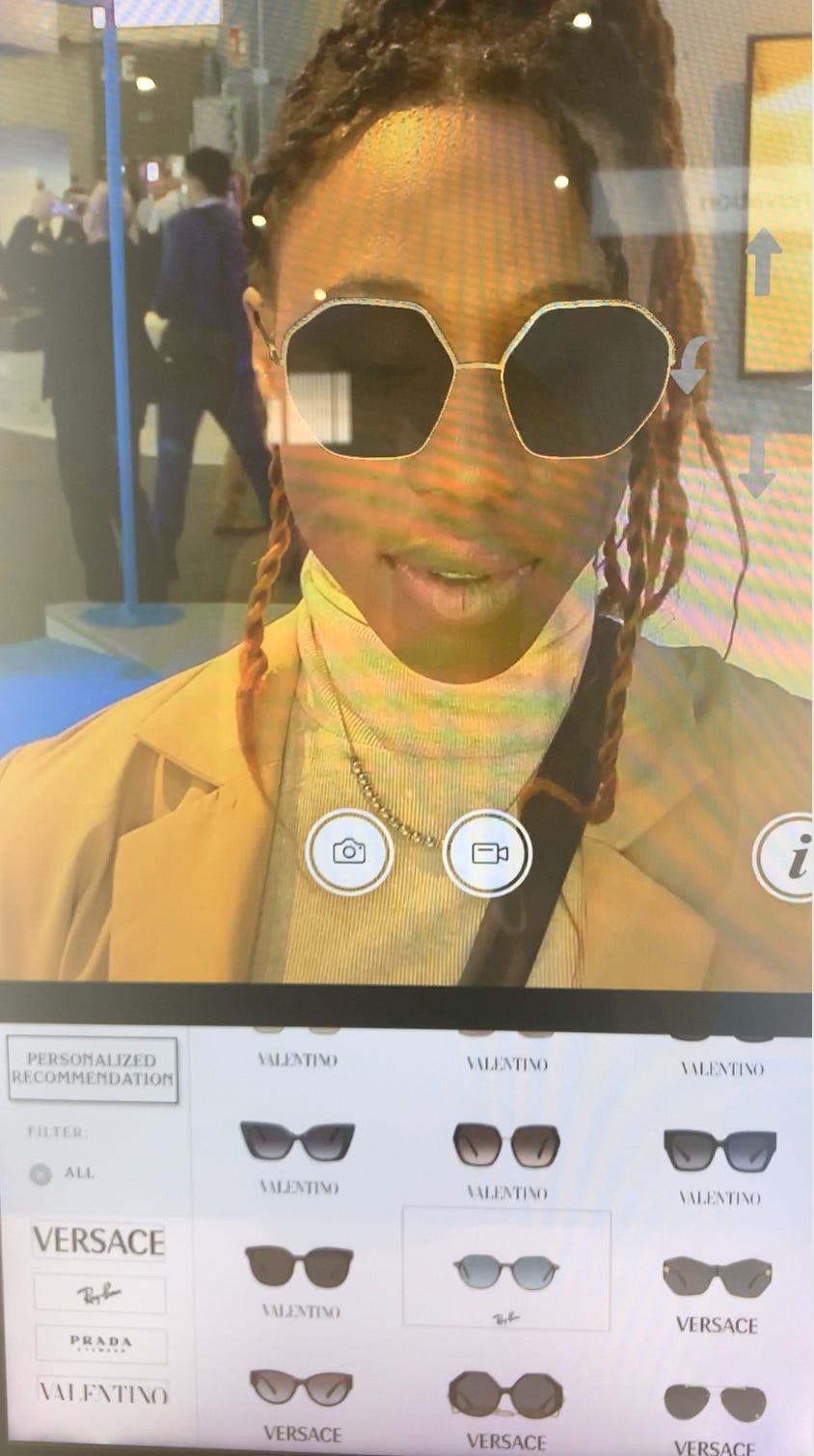
I guess I had just wanted more. I had hoped for nods to the tremendous movement of laborers clamoring for a renegotiation of the terms of work today. I wanted mentions of the crushing impossibility of managing childcare under the labor conditions of today, a reality universally-acknowledged by parents of all socioeconomic classes. I wanted so much more than I saw.
I was being foolish. MWC is a mobile trade fair. The thorniest issues of the day, the things that demand the most attention, they stretch and leak between fields and sectors. It'd be silly to expect anything different. If the past decade has taught anything, it's that the tech sector can't human-centered-design the planet out of the climate crisis, racial capitalism, inequality, state-organized hierarchies (though it can certainly influence all of those things).
I left Barcelona dwelling on other examples of networks doing the unglamorous work of trying to support the realization of novel ideas outside of the tech sector. I'm lucky to be connected to at least a couple, and aware of many more. Allied Media Projects, the network that Diana and I are part of, provides fiscal sponsorship and an assortment of types of support for projects making media towards liberation. The recently created Just Tech program has the goal of not just funding, but sustaining a community of researchers who “can critically engage with and challenge status quo voices and institutions in every sector where technology is produced.”3 I’m a Creative Capital grantee, and I’m into how the org doesn’t just provide money but has the aim of helping artists create sustainable, long-lasting practices.
These and so many other groups understand that the least sexy work is also tremendously important: maintenance, support, building a field. Feed the roots, and more trees will grow.
Updates
Shows: My work will be in the show Ars Memoriae at 601 Artspace, which is curated by Oulimata Gueye and Maarten Vanden Eynde. It opens tomorrow, March 25 and runs through May 16.
Easter Eggs: While it’s no secret that I keep this part of my website updated with upcoming events, shows, residencies, and talks (I have one today!), I also have this secret section of the site, which lets you know projects and ideas I have in the works.
Recs: If you’re based in NYC, I highly recommend American People, Faith Ringgold’s retrospective at the New Museum. It is everything!
From the talk “Race To The Future? Reimagining The Default Settings Of Technology And Society.” You can watch it or read the transcript here.
Those Boston Dynamics robots (each of which costs something around $75k) still seem to everywhere, even though it's not clear to me why. Here in NYC the The New York Fire Department has a plan to deploy a couple of them in search and rescue missions.
More quick examples: Black Farmer Fund invests in Black agricultural systems in the northeast, and cooperatives all over the world navigate what it looks like to spread wealth and capacity. A few weeks ago a friend told me how being a part of a rave scene from years ago was a lesson on working collectively to create a platform to support and highlight others.